Best Event Spaces with On-Site Catering: 2026 Guide

Table of Contents
Why On-Site Catering Changes the Venue Decision
What to Compare Across Event Spaces with On-Site Catering
Venue Capacity and Guest Count
Location, Accessibility, and Event Logistics
Amenities and Event Infrastructure
Questions to Ask Event Venues Before Booking
Event Venue Catering Cost Breakdown: What You're Actually Paying For
In-House Catering vs. Outside Catering Policies
Corporate Event Catering Packages: What to Look For
How to Read a Per-Person Quote
Customizable Menus and Dietary Restriction Handling
Bar Packages and Consumption Risk
Event Management Support and Hybrid Event Logistics
What Hybrid Event Logistics Actually Require
The Coordinator Handoff
Contingency Planning
How to Choose the Right Full-Service Venue for Your Event
Frequently Asked Questions
Last Updated: October 3, 2026
Why On-Site Catering Changes the Venue Decision
The best event spaces with on-site catering remove the single biggest source of event-day risk: coordinating a kitchen you don't control.
Couples and corporate planners who start their venue search focused on square footage usually shift their priorities after one walkthrough.
Here's the core tension: an outside caterer can offer flexibility, but an on-site kitchen offers control. Below, we break down exactly what to compare, what to ask, and how to read a catering quote without getting surprised later.
What to Compare Across Event Spaces with On-Site Catering
Compare four things before anything else: capacity, location and logistics, amenities, and catering structure. Get these wrong and no amount of décor budget will fix the event.
Venue Capacity and Guest Count
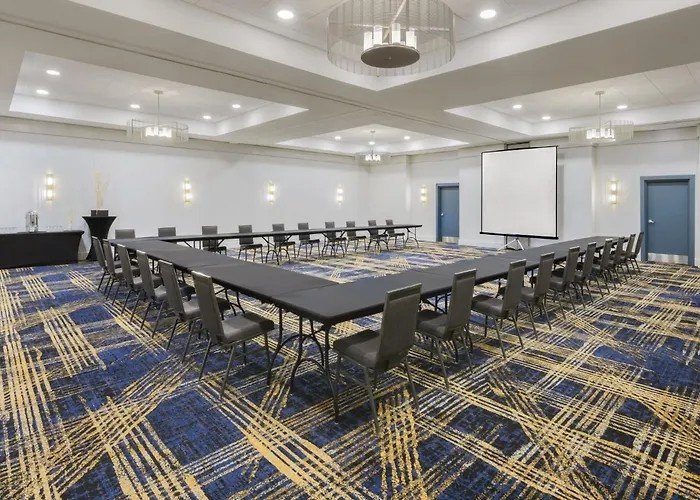
Seating capacity and standing capacity are different numbers, and venues sometimes quote the larger one. Ask for both, plus the capacity with a dance floor and a head table in place. A room that seats 150 theater-style may seat 90 at rounds with a buffet line, and that gap decides your guest list.
Watch Out Booking a space based on its maximum standing capacity is a common planning mistake. If your contract says 200 but your seated dinner format fits 120, you may need to adjust your guest list.
Location, Accessibility, and Event Logistics
Accessibility covers more than parking. Confirm step-free entry, elevator access to any upper-level space, accessible restrooms, and drop-off proximity for guests with mobility needs. For out-of-town guests, an attached hotel with block room rates eliminates the late-night drive entirely.

Amenities and Event Infrastructure
Ask what's included versus rented. A reliable AV system, high-speed internet, and an on-site bar or restaurant change your budget more than most planners expect. Event infrastructure like built-in staging, lighting rigs, and a dedicated event coordinator also reduces the outside vendors you need to hire.
What to Compare | Why It Matters | Ask Specifically |
Seating capacity | Determines real guest count | Capacity with dance floor set |
Accessibility | Guest comfort and compliance | Step-free entry, elevator, restrooms |
AV and internet | Hybrid and presentation needs | Included or rented? Who operates it? |
Catering structure | Controls cost and risk | In-house only, or approved vendors? |
Room block | Overnight guest convenience | Rate, cutoff date, room count |
Questions to Ask Event Venues Before Booking
The most important questions to ask event venues before booking cover money, vendors, and failure plans. Ask them in writing, and get answers in writing. A venue that hesitates on any of these is telling you something.
What is the total cost, including service charges, gratuity, and taxes?
Can we bring our own caterer or decorator, or is catering exclusive?
How do you handle dietary restrictions and allergies?
Pro Tip Ask for the all-in number, not the per-person rate. Per-person pricing often excludes service charge, gratuity, and rental fees, and that gap is where budgets break. Request one written total before you sign.
Event Venue Catering Cost Breakdown: What You're Actually Paying For
An event venue catering cost breakdown has four parts: food, labor and service, rentals, and fees.
Food cost covers ingredients and menu complexity. Labor covers servers, bartenders, and kitchen staff. Rentals cover linens, china, glassware, and sometimes tables and chairs.
Because pricing depends on guest count, menu selections, date, and bar package, no honest venue quotes a flat number before a consultation.
In-House Catering vs. Outside Catering Policies
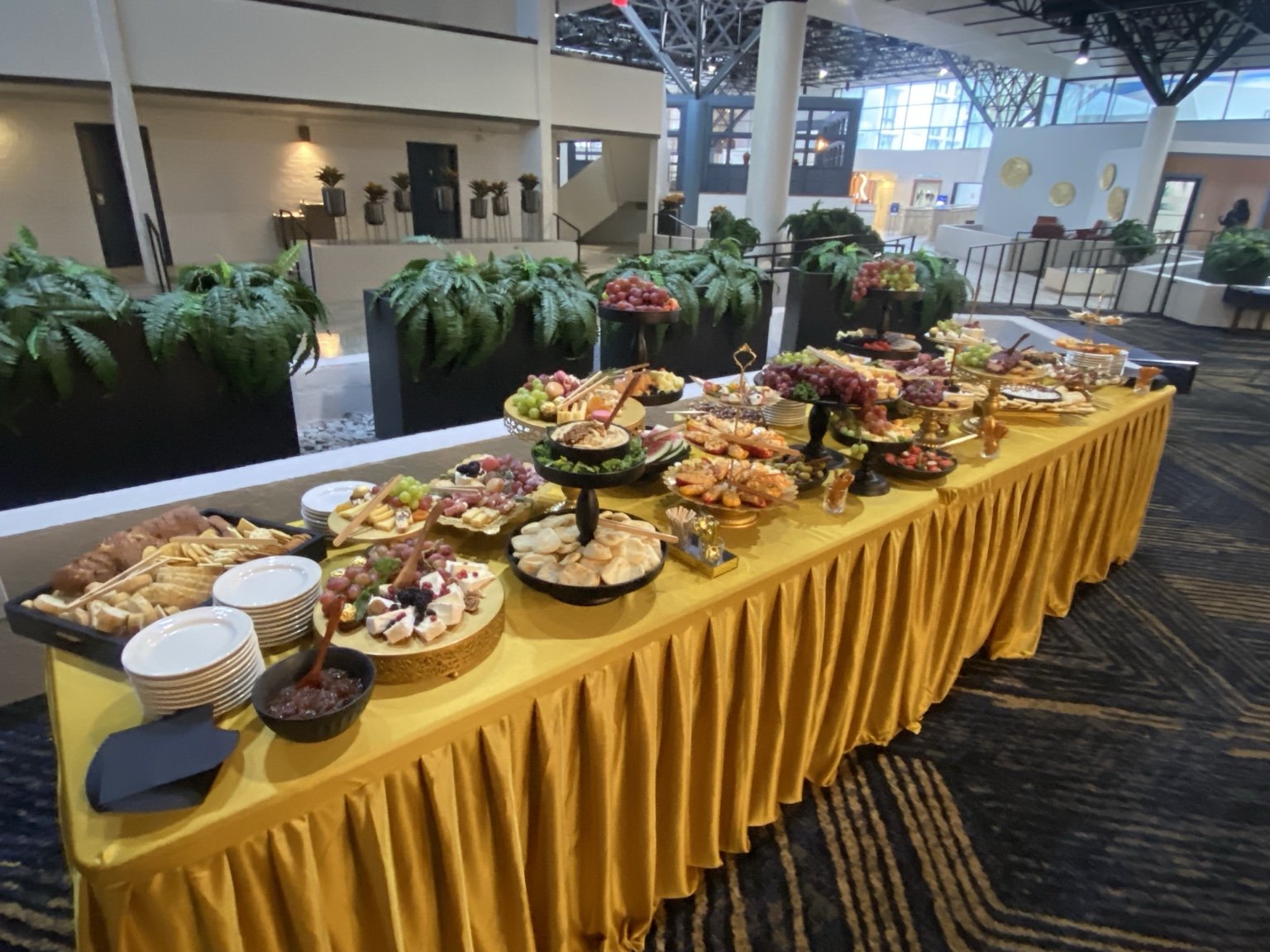
In-house catering means the venue's kitchen handles all food and beverage, which usually simplifies logistics and liability. Outside catering policies vary widely: some venues allow approved vendors with a fee, some allow drop-off only, and some prohibit outside food entirely.
The trade-off is real. In-house catering typically means one contract, one point of contact, and coordinated timing. Outside catering can offer a favorite restaurant or a specialty cuisine, but you take on vendor insurance, delivery windows, and setup coordination yourself.
Corporate Event Catering Packages: What to Look For
A strong corporate event catering package bundles four things: menu tiers, bar options, service staffing, and AV support, all quoted at a clear per-person rate. Corporate events live and die on timing, so confirm setup and breakdown windows in the contract before you compare food.
Most venues structure packages in tiers rather than à la carte. A common pattern looks like this:
Breakfast or board-lunch tier, continental or plated, minimal staffing, drop-and-go setup. Best for meetings under 40 guests.
Reception tier, passed hors d'oeuvres, stationed appetizers, and a hosted or cash bar. Scales from 50 to 200 guests.
Full-service dinner tier, plated or buffet dinner, dedicated servers, bartenders, and a captain. Required for most seated dinners over 100 guests.
How to Read a Per-Person Quote
A per-person rate is not the final number. Ask each venue to itemize these line items separately:
Line Item | What It Covers | Typical Structure |
Food | Ingredients, menu complexity, stations | Per person, per meal period |
Labor and service | Servers, bartenders, kitchen staff, captain | Per server per hour, or a staffing ratio |
Rentals | Linens, china, glassware, sometimes tables and chairs | Per item or bundled |
Bar | Hosted, cash, or consumption | Per person per hour, or by consumption |
Fees | Service charge, gratuity, applicable taxes | Percentage of food and beverage subtotal |
A common pattern is a service charge in the high-teens to low-twenties percentage range, with gratuity and tax added on top. Because pricing depends on guest count, menu selections, date, and bar package, venues typically do not quote a flat number before a consultation. Ask each venue to itemize, then compare like for like.
Customizable Menus and Dietary Restriction Handling
Customizable menus let you adjust courses, portions, and service style rather than picking from fixed packages. Just as important is how the kitchen handles dietary restriction handling: gluten-free, vegetarian, vegan, nut allergies, and halal or kosher requests.
Most venues will accommodate dietary needs, but the mechanism matters more than the promise. Ask these specific questions:
How are allergy meals prepared? A separate prep area and dedicated utensils prevent cross-contact. A shared line does not.
How are they plated and served? The best handling is invisible to guests, plated, labeled alternative meals that arrive with everyone else's, not a separate plate delivered ten minutes late.
How far in advance do you need the list? Typical windows run 7 to 14 days before the event, with final guest counts due 3 to 5 business days out.
Key Takeaway Plated, labeled alternative meals that arrive with everyone else's, not a separate plate delivered ten minutes late, can signal a kitchen that plans ahead.
Bar Packages and Consumption Risk
Bar structure is where corporate budgets swing the most. Hosted open bar is predictable but expensive; consumption bar is cheaper on paper but exposes you to a surprise invoice if attendance runs high. A common middle path is a hosted bar for a set window, say, the first two hours, then a cash bar after. Ask whether the venue counts drinks by the pour, by the bottle, or by the hour, and whether unused hosted hours are refundable.
Event Management Support and Hybrid Event Logistics
Event management support is the difference between hosting and herding. A dedicated coordinator manages vendor arrivals, timeline cues, and the transition from ceremony to dinner to dancing, so you're present instead of troubleshooting. Ask who your day-of contact is, whether they stay for the full event, and whether they are the same person who ran your walkthrough.
What Hybrid Event Logistics Actually Require
Hybrid event logistics add a layer most venue tours never address. If any guests will join remotely, the room has to work as a broadcast studio, not just a gathering space. Here is what to confirm before you book:
Upload bandwidth, not just download. Video calls need symmetric bandwidth. Ask the venue to run a speed test on the event network during a site visit, not on the guest Wi-Fi in the lobby. A wired ethernet drop at the AV position is more reliable than Wi-Fi for the primary stream.
A dedicated AV operator. Someone has to watch the stream, mute the right microphone, and switch camera angles. If the venue does not staff this, you are hiring an outside production vendor, and that vendor needs load-in time, power, and a place to sit.
Microphone coverage for both rooms. Ceiling mics pick up HVAC hum and side conversations. Lavaliers on presenters plus a handheld for audience Q&A is the standard pattern. Remote attendees need to hear questions from the floor, not just the stage.
Camera position that does not block sightlines. A tripod in the center aisle is a common failure. Ask where the venue's camera position is, and whether it has power and a cable path to the AV desk.
guidance from the National Institute of Standards and Technology on reliable network setup is a useful reference for planners who want to understand what stable connectivity actually requires.
The Coordinator Handoff
A strong venue coordinator owns three handoffs: vendors to loading dock, kitchen to service floor, and stage to schedule. Ask how the coordinator communicates during the event, radio, text, or a shared run-of-show document, and whether your planner is expected to duplicate that role. Two coordinators with unclear authority is worse than one.
Watch Out If the venue's coordinator is also managing another event in the building that day, your timeline competes with someone else's. Ask how many events the venue hosts simultaneously and whether your coordinator is dedicated.
Contingency Planning
Ask what happens if AV fails, catering runs late, or a presenter cancels. A venue with a backup plan will name the backup equipment, the on-call technician, and the escalation contact. A venue without one will tell you not to worry about it.
How to Choose the Right Full-Service Venue for Your Event
Choose a full-service venue by matching capacity, catering structure, and support level to your event type, not by chasing the lowest quote.
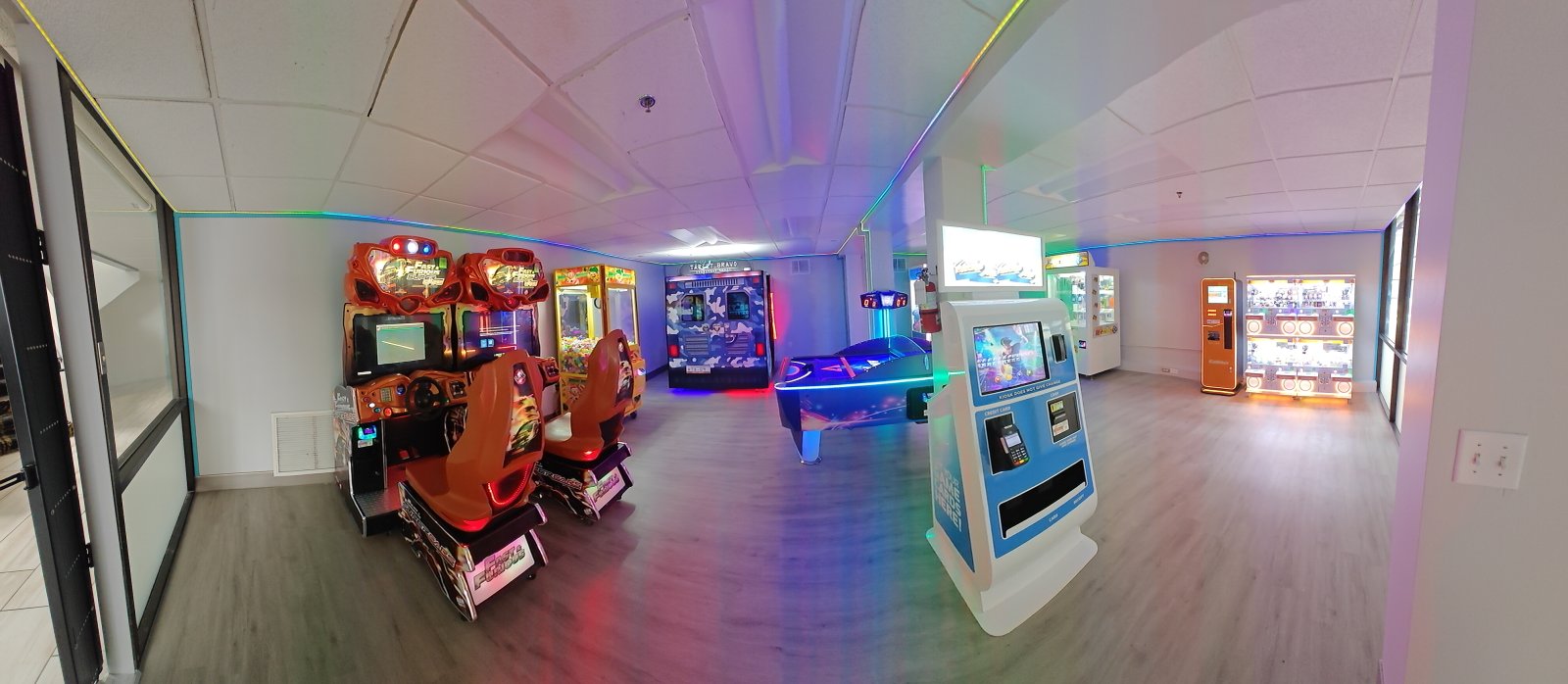
Duval Grand Event Venue offers full-service event planning and design, an on-site bar and restaurant, an arcade for guest entertainment, and block room rates at the Wyndham Jacksonville Hotel for convenient overnight stays.
Start with the comparison table above, ask the questions in writing, and request an itemized quote. Then visit in person before you commit. A walkthrough answers more than any brochure.
Frequently Asked Questions
How much is catering for a 50-person event?
Catering costs for 50 guests depend on the menu style, service format, and venue. Plated dinners typically cost more per person than buffet or stations, and premium proteins and seasonal ingredients raise the total. Most venues quote per-person rates plus service fees and gratuity. Ask your venue for a line-item quote covering food, beverages, staff, and rentals so you can compare total costs, not just the headline per-person rate.
What questions should I ask when touring event spaces with in-house dining?
Ask whether catering is required in-house or if outside vendors are allowed, what the per-person minimum is, and whether service fees and gratuity are included in the quoted rate. Confirm the venue's seating capacity for your guest count, what AV equipment is included, and who handles setup and cleanup. Also ask about dietary restriction accommodations, cancellation policies, and whether an event coordinator is assigned to your booking.
How does on-site catering affect the total cost of an event?
On-site catering bundles food, staff, equipment, and often rentals into one contract, which can reduce coordination costs and eliminate delivery fees from outside vendors. The trade-off is that you may have less flexibility on menu choices. Request a full event venue catering cost breakdown that separates food, beverage, labor, and service charges so you can see exactly where the money goes before signing.
What types of events are best suited for full-service venues with on-site catering?
Full-service venues work well for weddings, corporate meetings, holiday parties, milestone birthdays, and rehearsal dinners. Corporate event catering packages often include AV equipment and high-speed internet, which suits conferences and hybrid events. For celebrations with 80 or more guests, confirm seating capacity and whether the venue can handle multiple event spaces simultaneously. Venues with on-site bar, restaurant, and guest room blocks add convenience for out-of-town attendees.
Planning an event means juggling vendors, timelines, and guest expectations all at once. Duval Grand Event Venue handles the catering, coordination, and amenities under one roof, with full-service event planning and design, an on-site bar and restaurant, and block room rates for overnight guests. Get started with Duval Grand Event Venue and host an event your guests actually remember.
Get Started
Comments