Full Service Wedding Venues Jacksonville FL: 2026 Guide

Table of Contents
What Full Service Wedding Venues in Jacksonville FL Actually Include
How to Verify What a Venue Means by Full Service
Venue Styles Across Jacksonville and Nearby Areas
Banquet Halls and Restaurant Venues
Beach, Farm, and Outdoor Spaces
All-Inclusive Wedding Packages: What's Usually In and What Isn't
The Four Line Items That Change Your Total
Alcohol Terms Decide Your Bar Budget
What the Table Below Actually Tells You
The Question That Separates Real Packages From Partial Ones
Small Wedding Venues for 80 Guests: Capacity, Layout, and Fit
Pricing, Availability, and Booking Timeline for Full Service Wedding Venues
The Four Levers That Set Your Price
What a Food and Beverage Minimum Actually Means
Booking Timeline: When to Reserve
Seasonal Considerations and Weather Contingency Plans
Questions to Ask Wedding Venues Before You Sign
Accessibility, Parking, and Guest Experience Details
Conclusion
Frequently Asked Questions
Last Updated: October 7, 2026
What Full Service Wedding Venues in Jacksonville FL Actually Include
Full service wedding venues in Jacksonville FL handle the logistics that usually consume a couple's final year of planning: venue rental, catering, bar service, setup, cleanup, and day-of coordination under one contract. According to The Knot's Real Weddings Study, the average couple juggles multiple separate vendors for a single celebration. At Duval Grand Event Venue, we built our packages around that reality, because most couples don't want six contracts and six deposit deadlines.

Here's the honest definition: a full-service wedding package bundles the space, the food and beverage, the service team, and the coordination into one agreement.
How to Verify What a Venue Means by Full Service
Ask for the inclusions list in writing before you tour. "Full service" is not a regulated term, so two venues can use it to mean very different things. One might include linen, staffing, and a coordinator; another might include only tables and chairs.
A common mistake is assuming coordination is covered when it isn't. Ask specifically: who runs the timeline, who manages vendor arrivals, and who handles the caterer's setup?
Pro Tip Request a sample banquet event order (BEO) during your tour. It's the internal document listing every course, timing, and staffing line. If a venue won't share a sample, that tells you something.
Venue Styles Across Jacksonville and Nearby Areas
Couples searching this region typically weigh four styles: banquet halls, restaurant venues, beach settings, and farm or barn spaces. Each carries different trade-offs in capacity, weather risk, and how much you'll need to bring in yourself.
St. Augustine, Green Cove Springs, and the surrounding communities add options within a short drive of the city. The right pick depends less on aesthetics than on guest count and season.
Banquet Halls and Restaurant Venues
Banquet halls offer the most control. You get a private room, predictable acoustics, and room for a dance floor without fighting the weather. Restaurant venues trade some space for built-in character and a kitchen that already knows its menu. The catch: many restaurants cap buyouts at smaller guest counts.
For an 80-guest reception, both usually work. For 200, you'll want a dedicated banquet room.
Beach, Farm, and Outdoor Spaces
Beach weddings deliver the photos. They also deliver wind, sand, and no built-in backup if it rains. Farm and barn venues offer rustic charm and space, but often require bringing in rentals, power, and restrooms.
If you choose an outdoor venue, confirm the indoor contingency in writing. An outdoor ceremony lawn paired with an indoor banquet room is the safest structure.
All-Inclusive Wedding Packages: What's Usually In and What Isn't
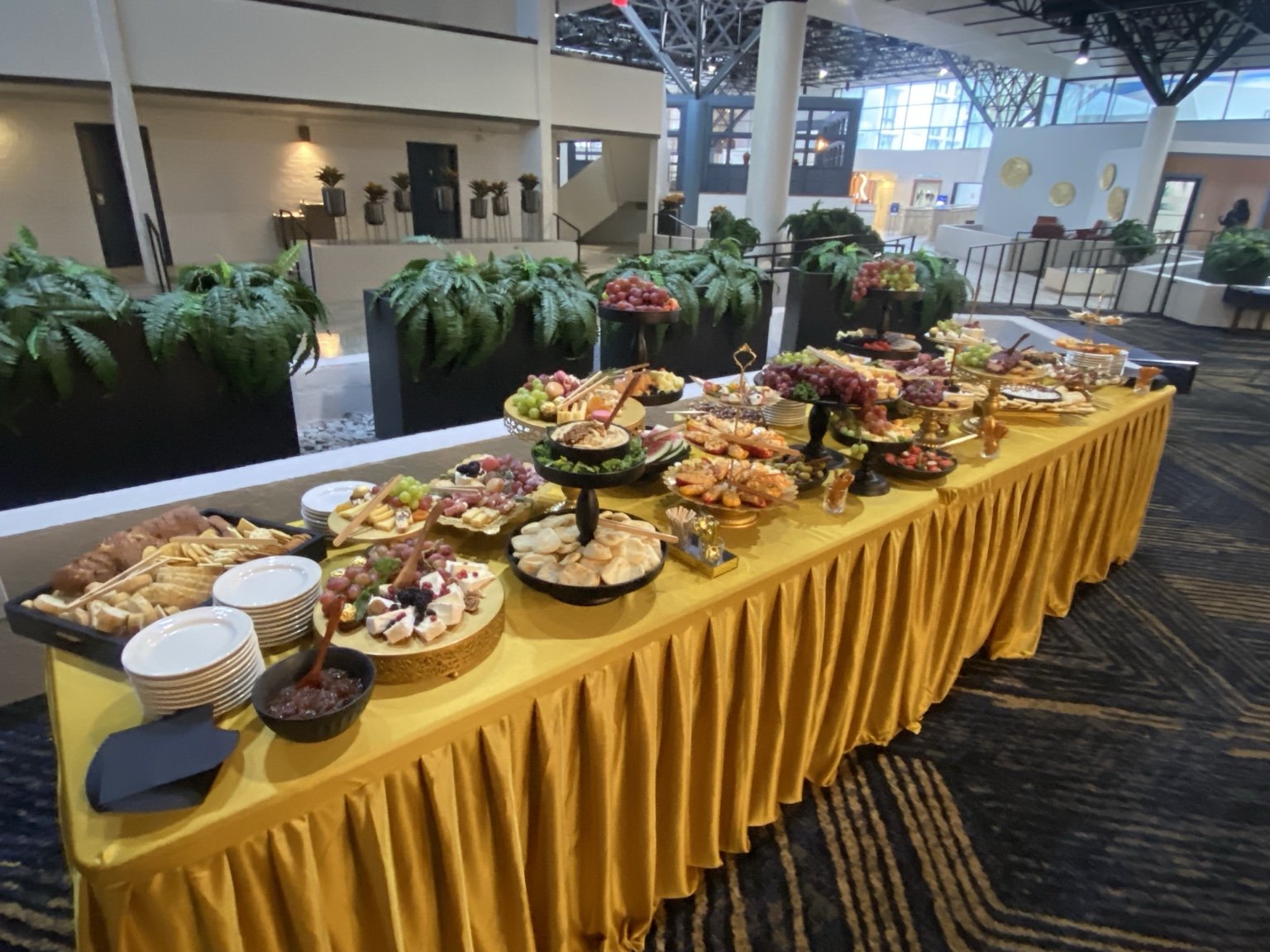
All-inclusive wedding packages typically cover the venue, catering, bar service, staffing, tables, chairs, linens, and setup and cleanup. What varies most is alcohol, décor, and whether a coordinator is dedicated or shared across events. The bigger problem is that "all-inclusive" almost never means the price on the brochure is the price you pay.
The Four Line Items That Change Your Total
A per-person rate is only the starting number. Four additions routinely move the final bill, and they are the ones couples forget to ask about:
Service charge. Most venues add a service charge on top of the food and beverage subtotal. It is not a tip, and it is not optional. It is revenue to the venue.
Sales tax. Tax is applied to the taxable subtotal, which usually includes food, beverage, and the service charge. That means tax compounds on the service charge, not just the food.
Gratuity. Some venues fold gratuity into the service charge; others bill it separately. Ask which, in writing, or you may pay twice.
Administrative or facility fees. These can appear as a flat fee, a percentage, or a per-guest charge, and they are frequently excluded from the quoted per-person rate.
The only way to compare two venues fairly is to ask each for an all-in estimate at your exact guest count, on your exact date, with your exact bar package.
Alcohol Terms Decide Your Bar Budget
Get the alcohol structure in writing before you compare venues. The three common models behave very differently:
Hosted bar (open bar). You pay a flat per-person rate for a set number of hours. Predictable, but you pay for guests who do not drink.
Consumption bar. You pay per drink. Cheaper for light-drinking crowds, and a genuine risk with a heavy-drinking one.
Cash bar or limited hosted bar. Guests pay, or you host beer and wine only and let guests buy spirits. Lowest cost to you, and the one guests notice most.
Ask whether the bar package includes a bartender, whether the venue requires a licensed bartender at all, and whether you can bring your own alcohol. Many venues prohibit outside alcohol for licensing and liability reasons, and some charge a corkage fee if they allow it.
What the Table Below Actually Tells You
Package Element | Usually Included | Often Excluded | What to Ask |
Venue and ceremony space | Yes | Premium dates, second space | Is the ceremony space a separate fee? |
Catering and service staff | Yes | Specialty cakes, late-night snacks | Is the cake cutting fee per slice? |
Bar service | Varies | Top-shelf liquor, champagne toast | Hosted, consumption, or cash? |
Décor and lighting | Partial | Florals, specialty rentals, uplighting | What is in-house vs. rented? |
Coordination | Day-of only | Full planning, vendor management | Is the coordinator shared or dedicated? |
Setup and cleanup | Yes | After-hours teardown, personal items | What time is the room cleared? |
Service charge and tax | No | Always added | What is the all-in total? |
Watch Out Watch for service charges and administrative fees quoted separately from the per-person rate. A package that looks affordable per head can climb once gratuity, service charge, and tax are added. Ask for the all-in total in writing, at your guest count, before you compare venues.
The Question That Separates Real Packages From Partial Ones
Ask the venue to send a sample banquet event order (BEO) and a sample final invoice from a past event with the client name removed. The BEO shows what is actually delivered; the invoice shows what was actually charged. A venue that will share both is telling you its package is what it says it is. A venue that will only share a glossy brochure is telling you something else.
Small Wedding Venues for 80 Guests: Capacity, Layout, and Fit
Eighty guests is the sweet spot for many couples, and it's also where venue fit gets tricky.
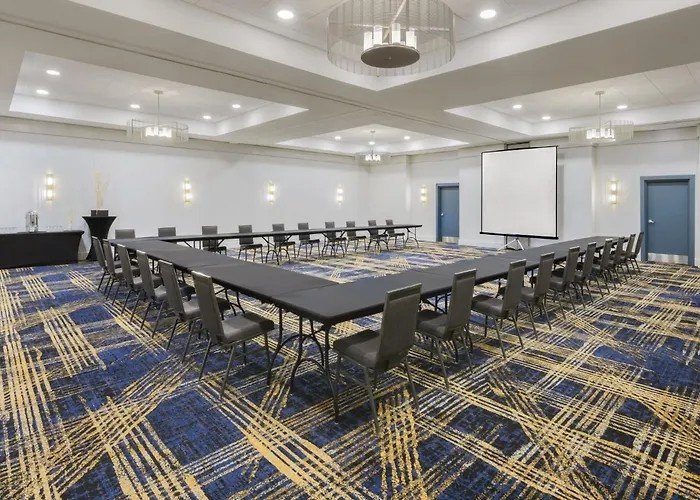
Ask for the seated capacity, not just standing capacity. Then ask how the room is configured for your count: rounds of eight or ten, a head table, and a clear path to the bar.
For an 80-guest wedding, look for a space that seats 100 to 120 comfortably. The extra room absorbs the dance floor, gift table, and buffet without crowding guests.
Pricing, Availability, and Booking Timeline for Full Service Wedding Venues
Pricing for full service wedding venues depends on guest count, date, menu selections, and bar package, so most venues quote each event individually rather than publish a flat rate. That is not a dodge; it reflects how the cost actually works. But you can still budget intelligently if you understand the four levers that move the number.
The Four Levers That Set Your Price
Guest count. Food and beverage is priced per person, so every additional guest adds to the food subtotal, the service charge, and the tax. A 20-guest swing is rarely a small number.
Date and season. Saturday evenings in peak season carry the highest food and beverage minimums. Friday and Sunday evenings, and off-season dates, typically carry lower minimums. Weekday events carry the lowest.
Menu and bar tier. Plated vs. buffet, premium vs. standard bar, and add-ons like late-night snacks or a champagne toast each move the per-person rate.
Package inclusions. A venue that includes linens, uplighting, and a dedicated coordinator may quote a higher per-person rate than one that does not, but the all-in total can be lower once you price the excluded items separately.
What a Food and Beverage Minimum Actually Means
Most venues in this market price per person with a food and beverage minimum. The minimum is the floor you must spend on food and beverage, before service charge and tax. If your guest count times the per-person rate falls below the minimum, you pay the difference.
Ask three questions about the minimum:
Does the minimum apply to food and beverage only, or to the total bill including service charge and tax?
What happens if our guest count drops below the minimum?
Is the minimum different for Friday, Saturday, Sunday, and weekday events?
Booking Timeline: When to Reserve
Availability follows the same pattern as price. Popular Saturday dates in peak season book 12 to 18 months out. Off-season weekdays stay open much later, sometimes within a few months. If your date is flexible, you will have more room on both price and space.
A practical timeline looks like this:
18 to 12 months out: Tour venues, compare all-in estimates, and book your date and venue.
12 to 9 months out: Lock your caterer (if not in-house), photographer, and band or DJ.
9 to 6 months out: Book florals, rentals, transportation, and hotel room blocks.
Seasonal Considerations and Weather Contingency Plans
Summer afternoons bring afternoon thunderstorms, and fall brings the region's busiest wedding calendar. Winter and early spring offer milder weather and better availability.
Whatever the season, confirm three things in writing: an indoor backup of equal size, a decision deadline for triggering the switch, and who makes that call. A venue that leaves the rain decision to you at the last minute is not really full service.
Pro Tip Ask for the venue's cancellation and postponement policy in writing before you sign. Weather-related postponements are handled differently from voluntary cancellations, and the difference can be the entire deposit.
Questions to Ask Wedding Venues Before You Sign
The best venue conversations happen before you sign, not after. Bring a written list and take notes on the answers. The questions below cover the gaps that cause most post-booking disputes.
What exactly does the package include, line by line?
Are there service charges, gratuity, or administrative fees on top of the per-person rate?
Can we bring our own caterer or decorator, or is everything in-house?
Key Takeaway The single most useful question is the simplest: "What's not included?" The answer tells you more about total cost than any package brochure.
Accessibility, Parking, and Guest Experience Details
Accessibility and parking shape how guests actually experience your wedding. Confirm step-free entry, accessible restrooms, and seating that accommodates mobility needs. Ask whether parking is on-site, valet, or a shuttle ride away.
For out-of-town guests, a venue attached to a hotel solves two problems at once. Duval Grand Event Venue sits at the Wyndham Jacksonville Hotel, which means overnight guests can walk from their room to the reception without arranging transportation.
Conclusion
Duval Grand Event Venue offers full-service event planning and design, on-site catering with customized menus, and special block room rates for your overnight guests. Get started with Duval Grand Event Venue and plan a celebration where every detail is handled before you arrive.
Frequently Asked Questions
What does a full service wedding venue include?
A full service wedding venue typically bundles the ceremony and reception spaces, catering and bar service, tables, chairs, linens, setup and cleanup, and day-of coordination. Some packages add décor, lighting, cake, and a DJ. Because the phrase is not standardized, ask each venue to list inclusions in writing. At Duval Grand Event Venue, full-service planning, design, and catering are handled by the on-site team, so you can see exactly how the pieces fit together before you book.
How much does a wedding venue cost on average?
Venue pricing depends on guest count, date, season, and how much is included. A Saturday evening in peak season costs more than a Friday or Sunday, and all-inclusive packages cost more upfront than a venue rental where you bring your own vendors. Ask for a written quote that separates venue rental, food and beverage minimums, service charges, and taxes. Duval Grand Event Venue does not publish fixed prices because every event is customized, so request a quote with your guest count and date.
What are the benefits of choosing an all-inclusive wedding venue?
All-inclusive wedding packages reduce the number of separate contracts you manage, which lowers the risk of vendor miscommunication on the wedding day. You get one point of contact, one payment schedule, and a team that already knows the space. The trade-off is less flexibility to bring in outside vendors. If you already have a caterer or decorator you love, ask whether the venue allows outside vendors and what fees or restrictions apply.
How far in advance should I book a wedding venue?
Most couples book 12 to 18 months ahead for a Saturday in peak season. If your date falls on a holiday weekend or you need a specific month, start touring 18 months out. For small wedding venues for 80 guests, availability is often tighter because fewer spaces fit that size well. Book as soon as you have a date range, a guest count, and a budget, and ask about the deposit and cancellation terms before you sign.
Get Started
Comments