Why Choose a Full Service Event Venue: 2026 Guide

Table of Contents
Why Choose a Full Service Event Venue
The Hidden Work Behind Every Event
What Does a Full-Service Event Venue Include?
Core Service Inclusions to Confirm
Full-Service vs. DIY Event Venue: An Honest Trade-Off
When DIY Actually Wins
Cost-Effectiveness and Overall Value: What You Are Really Paying For
How to Build an Apples-to-Apples Cost Comparison
Where Full-Service Packages Usually Win on Value
Where the Package Can Cost More
Questions to Ask When Booking an Event Venue
Verifying Service Quality and Operational Fit
Accessibility, Safety, and Contingency Planning
Matching the Venue to Your Event Type
Weddings and Milestone Celebrations
Corporate Meetings and Off-Sites
Conferences and Multi-Session Events
Fundraisers and Galas
Holiday Parties and Social Events
Frequently Asked Questions
Last Updated: October 19, 2026
Why Choose a Full Service Event Venue
A full service event venue handles planning, catering, setup, staffing, and cleanup under one contract, so hosts manage one team instead of ten vendors.
Here is the part most guides skip: the value of a full service event venue is not the food or the chairs.

An elegantly set banquet table with candles and floral centerpieces in a bright event hall, staff in uniform adjusting place settings before guests arrive
The Hidden Work Behind Every Event
Most hosts underestimate the logistics until two weeks out.
When those vendors do not talk to each other, gaps appear. The caterer arrives before the tables. The DJ needs power the room does not have.
A full-service venue absorbs that coordination. One team owns the timeline, the load-in, and the event flow. You stop being the switchboard between seven companies.
What Does a Full-Service Event Venue Include?
A full-service event venue is a space that bundles the room, food and beverage, staff, and coordination into one package rather than renting you an empty hall. The scope varies by property, so confirm each item in writing before you sign.
Core Service Inclusions to Confirm
Ask for this list in your contract, not in a brochure:
Venue rental and room setup for your guest count
Tables, chairs, linens, and basic décor
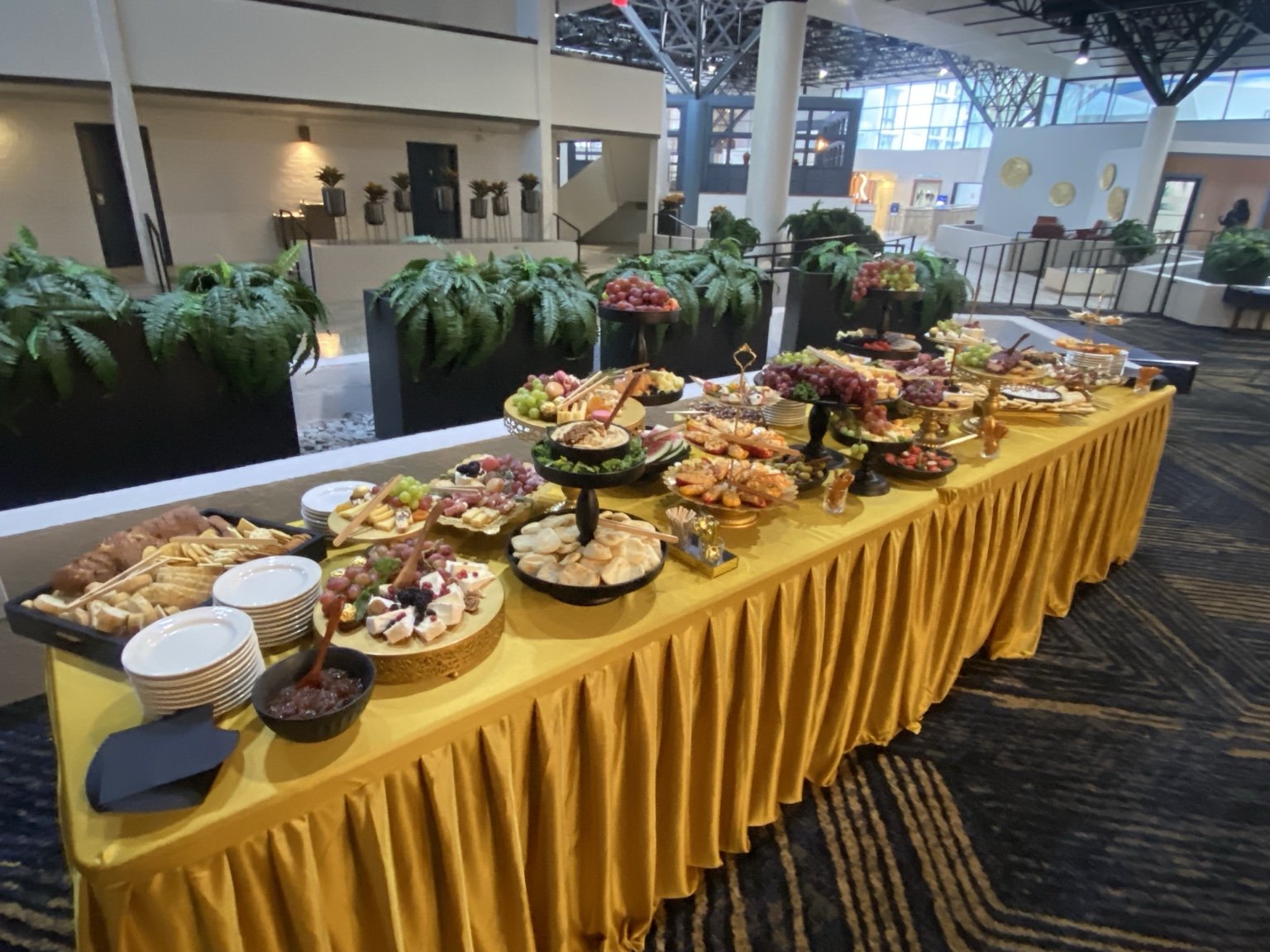
Catering with menu tastings and dietary options
Some venues include all of this. Others include the room and catering only, then bill staffing and AV separately. The gap between those two models is where budgets break.
Watch Out The most common booking mistake is assuming "full-service" means everything is included. Ask for a written inclusions list and a sample final invoice. If a venue will not show you one, treat that as a red flag.
Full-Service vs. DIY Event Venue: An Honest Trade-Off
DIY wins on control and headline price. Full-service wins on time, risk, and the guest experience. The right pick depends on how much of the work you actually want to own.
A DIY venue, or a public space like a park or community hall, usually costs less per hour.
Full-service shifts that labor to the venue team. You trade some flexibility and some budget for a single contract and a calmer final month.
Factor | Full-Service Venue | DIY Venue |
Vendors to manage | One team | Five to ten |
Setup and cleanup | Included | You and your helpers |
Staffing and bar | Usually included | You hire and schedule |
Upfront cost | Higher, more predictable | Lower, more variable |
Control over details | Guided, less open | Total |
Day-of risk | Handled by staff | Falls on you |
When DIY Actually Wins
DIY is the better call in a few clear cases:
Your guest list is small and the event is casual.
You have a trusted caterer and planner you already love.
The venue allows outside vendors without heavy fees.
If any of those describe you, a DIY space can save real money. Just build a backup plan for setup and cleanup, because those hours always take longer than expected.
Cost-Effectiveness and Overall Value: What You Are Really Paying For
Value in a full service event venue comes from what the bundle removes: separate vendor fees, rental delivery charges, staffing costs, and the hours you would spend coordinating them.
The mistake is comparing a venue's package price to a bare room rental. That is not the same purchase. Build a line-by-line comparison instead, using the same guest count, date window, and menu assumptions on both sides.
How to Build an Apples-to-Apples Cost Comparison
Use this worksheet structure. Fill in a real quote for each line, not an estimate from memory.
Cost line | Full-service package | DIY venue |
Room rental (same day, same hours) | Included in package | Quoted hourly or flat |
Tables, chairs, linens | Included | Rental quote + delivery + pickup |
Catering (food per guest) | Included | Caterer quote + service charge |
Bar service and bartenders | Included | Liquor, mixers, licensed staff, glassware |
Event staff and coordinator | Included | Day-of coordinator or your own hours |
AV and technician | Included or line-item | Rental + technician + delivery |
Setup and cleanup labor | Included | Crew hours or your own time |
Insurance, permits, security | Confirm in writing | Often your responsibility |
Service charge and gratuity | Confirm percentage | Varies by vendor |
Contingency (10-15% buffer) | Add to both | Add to both |
Three line items decide most comparisons:
Service charge and gratuity. A package price that already includes staffing and service can look higher until you add the same charges to a DIY caterer quote.
Rental delivery and pickup. Tables, chairs, linens, and glassware carry delivery windows, after-hours fees, and damage waivers that rarely appear in the headline rental rate.
Your own labor. Setup and cleanup for a 150-guest event commonly runs several hours before and after. Price those hours at what your time is worth, or at the cost of hiring a crew.
Key Takeaway Compare the all-in total, never the room rate. A higher package price that includes staffing, rentals, and cleanup can beat a cheap room you have to furnish yourself, but only the worksheet proves it.
Where Full-Service Packages Usually Win on Value
A full-service venue tends to come out ahead when:
Your guest count is large enough that rental and labor line items add up fast.
Your event runs in the evening or on a weekend, when after-hours delivery and staff premiums apply.
You need AV, bar service, and staffing together, since bundling those removes three separate contracts.
Where the Package Can Cost More
Full-service is not automatically cheaper. It can cost more when:
You have a small guest list and a simple menu, where a DIY space plus a favorite caterer stays lean.
The venue charges facility fees, cake-cutting fees, or outside-vendor fees on top of the package.
A food and beverage minimum exceeds what your guest count would naturally spend.
Pricing for any venue depends on your date, guest count, and menu, so request a written quote rather than guessing. At Duval Grand Event Venue, we build quotes around your specific event so you can see the full picture before committing.
Questions to Ask When Booking an Event Venue
The right questions surface hidden fees and operational gaps before you sign. Bring this list to every tour and write down the answers.
Ask these when booking an event venue:
What exactly is included, and what costs extra?
Is there a food and beverage minimum, and how does it work?
Can we bring outside vendors, and is there a fee for that?
How many staff will work our event, and who is our day-of contact?
What is the cancellation and postponement policy?
Is there a rain plan or backup space?
What are the load-in and load-out times for vendors?
How do you handle AV failures or late catering?
What is the final payment schedule and gratuity policy?
Can you share recent references for events like ours?
Question five and question eight matter most. They reveal how the venue handles problems, which tells you more than any showroom ever will.
Verifying Service Quality and Operational Fit
Verify a venue by asking for recent references and a sample final invoice, then checking that the space and staffing match your event. Trust the paperwork over the tour.
A polished tour is easy to stage. Operational fit is not. Here is how to check it:
Request two or three recent references from events similar to yours in size and type.
Ask to see a redacted final invoice so you know what the real total looked like.
Visit at your event's time of day to check lighting and noise.
At Duval Grand Event Venue, our team walks you through the space in person before you book, so there are no surprises on the day.
Accessibility, Safety, and Contingency Planning
Accessibility and contingency planning are where cheap events fail quietly. Confirm step-free access, parking, restrooms, and a backup plan for weather or equipment failure before you commit.
Ask about these directly:
Step-free entry and accessible restrooms
Parking capacity and drop-off access
Fire code capacity for your layout
Under the ADA Standards for Accessible Design, public event spaces must meet accessibility requirements, so a venue should answer these without hesitation. The FEMA ready-business guidance is a useful model for building a simple contingency plan for any large gathering.
Pro Tip Ask who is responsible when something breaks mid-event, and how fast they can respond. The answer should name a person and a process, not a promise.
Matching the Venue to Your Event Type
Event needs differ sharply by type, and the right venue for a wedding is rarely the right one for a board meeting. Match the space, staffing, and amenities to the event, not the other way around. The checklist below goes beyond room capacity to the operational details that decide whether an event runs smoothly.
Weddings and Milestone Celebrations
Ceremony and reception flow in separate spaces or a convertible room
A rain plan with an indoor backup of equal capacity
Dressing suites, décor support, and a clear load-in window for the florist
Corporate Meetings and Off-Sites
AV that supports projection, microphones, and video conferencing, with a technician on site
Reliable Wi-Fi sized for the attendee count, not just the room
Breakout rooms for small-group sessions and a quiet space for calls
Conferences and Multi-Session Events
A main room plus breakout rooms that can run concurrently
Registration desks, coat check, and directional signage
Catering breaks timed to the session schedule, with dietary options labeled
Fundraisers and Galas
A layout that supports a program, auction tables, and a stage or podium
Branding flexibility for sponsor signage and step-and-repeat backdrops
Bar service and catering that can handle a reception hour plus a seated dinner
Holiday Parties and Social Events
Bar service, entertainment space, and room for a crowd without blocking exits
Flexible layouts for mingling, seated dining, or both
Coat check and restroom capacity matched to the headcount
Pro Tip Bring your event's run of show to the tour. A venue that can map your registration, sessions, meals, and program onto its floor plan is a better operational fit than one that only shows you the room.
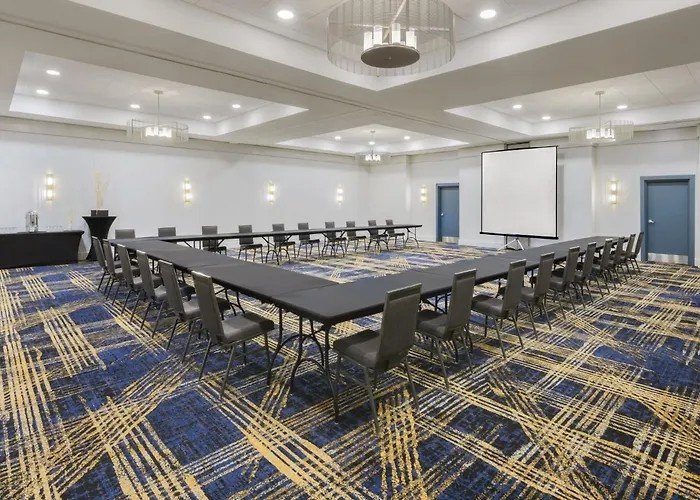
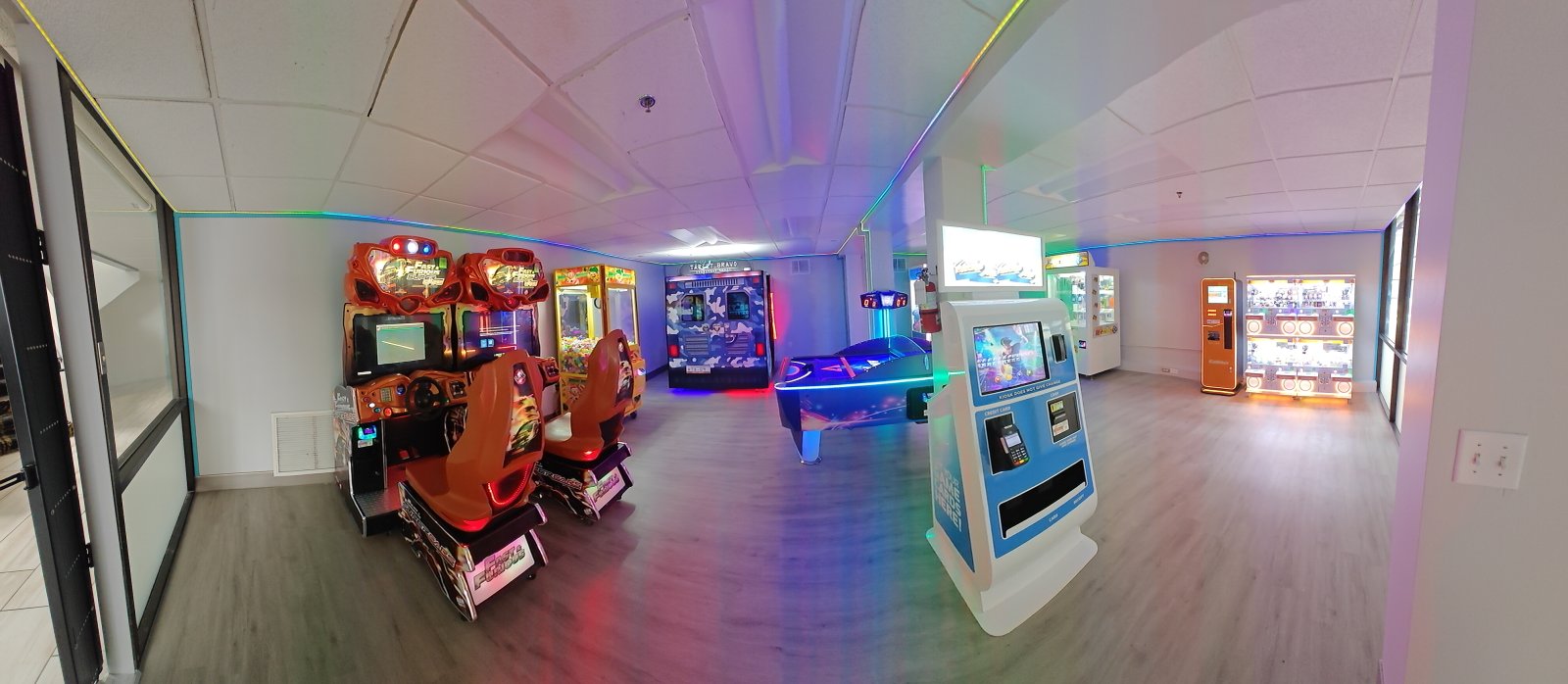
Duval Grand Event Venue offers flexible spaces for intimate or grand gatherings, an on-site bar and restaurant, an arcade for guest entertainment, and special block room rates for overnight stays. That mix suits weddings, corporate events, and milestone parties under one roof, and our team will map your event type's specific needs onto the space before you book.
Frequently Asked Questions
What are the benefits of choosing a full service event venue?
A full service event venue bundles the space, catering, bar service, staff, and coordination into one contract. You get a single point of contact instead of juggling a caterer, rental company, and decorator. Setup and cleanup are handled for you, and questions about timing, layout, or menu changes go to one team. The practical result is fewer decisions landing on you in the final weeks and a smoother event flow on the day itself, since the venue's staff already know the room and the schedule.
How does a full-service venue compare with a DIY venue?
A DIY venue, such as a public space or community hall, usually costs less upfront but leaves you responsible for rentals, catering, staffing, and cleanup. You coordinate every vendor and carry the risk if one runs late. A full-service venue costs more on the contract but folds those pieces into one package. The right choice depends on your budget, how much time you can give to planning, and whether you already have vendors you trust. Ask for an itemized quote from both so you compare real totals, not headline prices.
What questions should you ask before booking an event venue?
Ask what the package includes and what costs extra, including service charges, gratuity, and overtime. Confirm the guest capacity for your layout, not just the standing maximum. Ask whether you can bring outside vendors and what fees apply. Request the day-of timeline and who is responsible if catering or audio-visual equipment fails. Ask about parking, accessibility, and backup plans for weather or power issues. Finally, ask for recent references and a walkthrough of the space set up for an event your size.
Is a full-service venue worth the cost?
It depends on what your time and risk are worth to you. Full-service pricing covers labor, coordination, and equipment that you would otherwise rent, hire, or borrow. Add up those line items from a DIY plan, including staff hours and delivery fees, and the gap often narrows. Full-service tends to make sense when your guest count is high, your schedule is tight, or you want one team accountable on the day. Ask the venue for a written list of inclusions so you can compare it fairly against your DIY total.
Planning an event means juggling a hundred details with no room for error. Duval Grand Event Venue removes that load with full-service planning and design, on-site catering and bar service, and a team that coordinates every vendor and timeline for you. Get started with Duval Grand Event Venue and walk into your event as a guest, not a project manager.
Get Started
Comments